
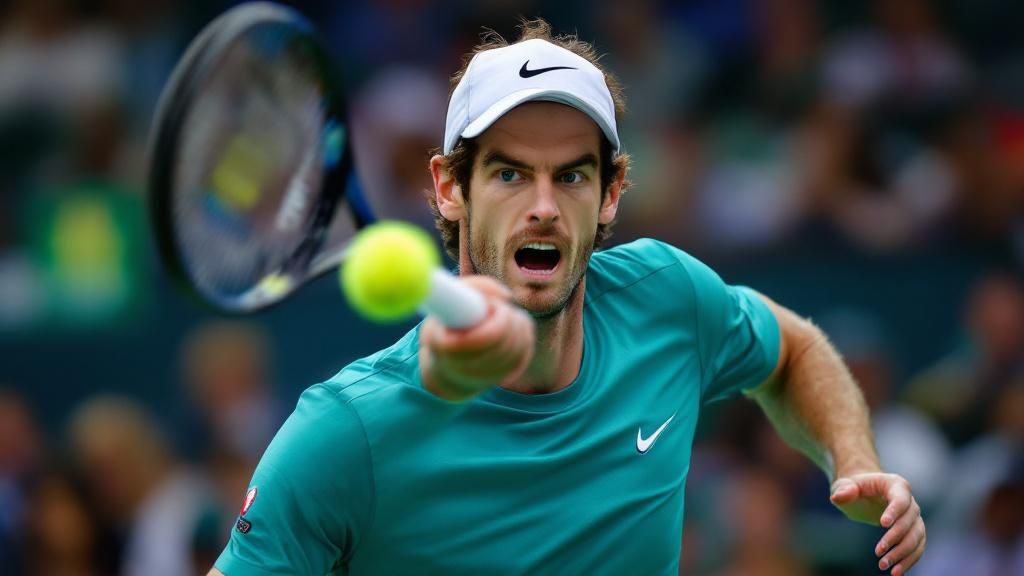
Andy Murray’s carefully orchestrated comeback to competitive tennis has disrupted the British sports landscape, suggesting a possible resurgence for the nation’s most accomplished player. Following his career-threatening hip surgery, Murray’s strategic return to competitive play promises to transform the state of British tennis, inspiring a new generation whilst reviving hopes of more Grand Slam triumphs. This article explores how his careful strategy to competitive play is influencing grassroots development, supporting rising prospects, and repositioning Britain as a formidable force in international tennis.
The Comeback Champion
Andy Murray’s re-entry into professional sport represents far more than a personal achievement; it embodies grit and resolve that reverberates through British sport. After facing a serious hip procedure that threatened his career, many wondered whether the three-time major winner would ever return to top-level competition. His decision to stage a comeback, however, displays steadfast dedication to his craft and an unbreakable resolve that has shaped his professional journey. The athletics fraternity observes with keen interest as Murray confronts this critical juncture, demonstrating that age and physical setbacks need not determine an athlete’s trajectory or sporting aspirations.
The implications of Murray’s comeback plan reach much further than his individual performance on court. His participation in professional tournaments revitalises British tennis, delivering a clear illustration of perseverance to emerging athletes facing their own obstacles. Moreover, his resurgence tale provides crucial guidance in psychological strength and bodily recovery, establishing new markers for athletic longevity. As Murray competes once more, he simultaneously mentors the emerging generation, forging a link connecting established excellence and new potential that bolsters the complete British tennis community.
Effect on Tennis Development in Britain
Murray’s return to competitive play has sparked substantial progress within UK tennis development. His participation in major tournaments elevates the tennis profile across Britain, attracting greater funding in young player training schemes and practice venues. The ripple effects extend beyond professional ranks, encouraging local engagement and prompting national organisations to focus on talent spotting and development routes for emerging British players.
Mentorship and Direction
Beyond his on-court displays, Murray has assumed an growing significant mentoring role within the British tennis community. His willingness to share experience gained from competing at the elite standard offers essential support to younger players charting their own career trajectories. This informal coaching influence enhances established programmes, offering practical insights into tournament preparation, mental resilience, and handling professional expectations.
Murray’s accessibility to emerging talent represents a departure from traditional hierarchies within professional sport. By engaging directly with gifted junior competitors, he shows dedication to the advancement of British tennis. His guidance stretches beyond technical instruction, covering strategic career guidance, commercial arrangements, and psychological techniques essential for sustaining long-term competitive success in international competition.
- Provides expert advice on event choice and planning
- Shares psychological strength techniques developed throughout career
- Facilitates connections to coaching and advisory networks
- Demonstrates workplace excellence through consistent work ethic
- Encourages balanced approach between ambition and personal wellbeing
Performance Comparison and Rankings
Murray’s return to competitive play has exhibited considerable mental strength, with his results data revealing a competitor intent on regaining his place within professional tennis’s upper echelon. Despite the constant physical pressures of top-tier competition, his ranking trajectory has gradually climbed, reflecting both his tactical expertise and emotional strength. His wins over proven rivals have prompted fresh conversation about his potential to contend for Grand Slam honours, whilst also delivering valuable data on his recovery progress and tournament fitness.
The deliberate strategy of Murray’s tournament selection has proven instrumental in managing his recovery whilst preserving competitive sharpness. By carefully balancing elite-level events with sufficient rest intervals, he has enhanced his performance trajectory without compromising long-term sustainability. His results have energised British tennis enthusiasts and analysts alike, proving that prior injuries and advancing years need not reduce a competitor’s drive or accomplishments at the highest echelons of professional sport.
Upcoming Opportunities and Impact
Andy Murray’s deliberate re-entry to professional competition has significantly transformed understandings of what constitutes a successful tennis career. His careful strategy demonstrates that sustained play and deliberate competition can exist together physical challenges, offering meaningful guidance to aspiring athletes globally. The wider consequences of his return transcend individual success; Murray’s presence on the circuit reinvigorates UK tennis development, generating investment and media attention previously directed elsewhere. His effect on the next generation demonstrates how seasoned expertise and determination go beyond standard career patterns, creating new benchmarks for competitive determination.
Looking forward, Murray’s legacy will undoubtedly encompass more than tournament victories and ranking positions. His commitment to mentoring rising British players has created a enduring framework for the next generation of competitors pursuing global recognition. By reconciling competitive goals with coaching duties, Murray has positioned himself as both active participant and steward of British tennis’s future. This two-fold responsibility bolsters the nation’s competitive infrastructure whilst ensuring his deep experience benefits the sport far beyond his final competitive appearance, cementing his status as pivotal force within British sporting history.
