
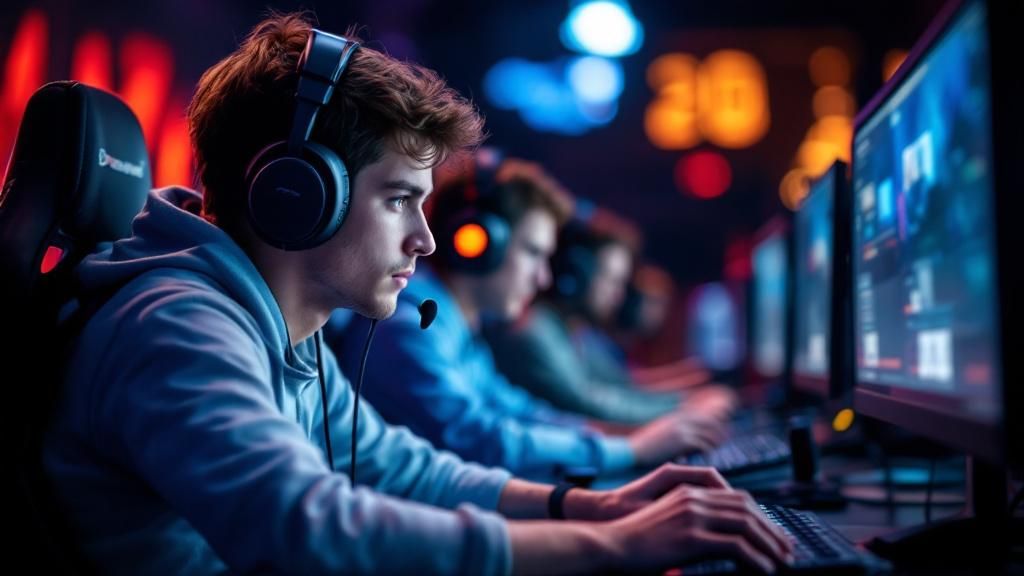
The esports industry has undergone a significant transformation, with professional teams now recognising that competitive gaming requires more than exceptional skill and reflexes. Mental health has become a essential component of player performance and wellbeing, leading leading organisations to commit significant resources in psychological support services. From specialist mental health professionals to customised wellbeing initiatives, this article explores how top esports teams are developing comprehensive mental health initiatives, tackling burnout, anxiety, and the unique pressures of professional gaming.
The Increasing Importance Of Mental Wellbeing In Professional Gaming
The competitive gaming landscape has undergone a profound shift in recent years, with mental health emerging as a cornerstone of competitive achievement. Top esports teams now recognise that consistent high-level play requires mental toughness alongside technical prowess. Players encounter unprecedented pressures, including intense competition, global scrutiny, and rigorous training regimens. Consequently, progressive organisations have begun prioritising mental wellbeing as integral to their competitive strategy, recognising that a player’s psychological state directly influences their in-game performance and longevity within the profession.
Professional esports presents unique psychological challenges that set it apart from traditional sports. The inactive character of esports, paired with prolonged time spent on screens and lack of social interaction, generates distinct mental health concerns. Players often experience competitive stress, especially in high-stakes tournaments where millions of pounds and sponsorship deals are at stake. Additionally, the relatively young demographic of esports professionals means many lack the emotional development and psychological strategies to handle such demanding conditions. Teams investing in player mental health initiatives recognise these unique pressures and tailor their interventions accordingly, ensuring players obtain proper psychological assistance.
The negative perception linked to mental health in gaming has traditionally blocked open discussion about mental health challenges. However, well-documented examples of competitor fatigue and mental health crises have catalysed meaningful change within the industry. Forward-thinking gaming teams now champion mental wellbeing publicly, showing that pursuing professional help constitutes capability not vulnerability. This societal change has legitimised discussions regarding emotional wellbeing and self-care amongst competitors and their teams. By removing shame from psychological conversations, leading teams foster settings where players feel comfortable accessing support before problems escalate.
Investment in mental health facilities demonstrates esports’ development as a competitive industry. Elite organisations now employ specialist performance psychologists, mental performance coaches, and wellness coordinators. These professionals work collaboratively with players to create stress management techniques, manage stress, and sustain psychological equilibrium throughout intense competitive seasons. Furthermore, extensive wellness schemes often encompass fitness training, nutritional guidance, and rest optimisation, recognizing that overall wellbeing strengthens mental resilience and sustained elite performance.
The economic effects of overlooking psychological wellbeing are substantial for esports organisations. Player fatigue leads to diminished results, increased turnover, and weakened group dynamics, consequently influencing competitive outcomes and revenue generation. Conversely, organisations committing resources in wellbeing programmes achieve better workforce continuity, enhanced morale, and notably improved event outcomes. This financial argument has persuaded even previously resistant stakeholders that psychological support represents a worthwhile commitment rather than a discretionary expense, substantially transforming how esports organisations allocate resources.
Extensive Psychological Wellbeing Initiatives Within Top Teams
Major esports organizations have developed integrated wellbeing frameworks that surpass conventional wellness programs. These broad-ranging efforts acknowledge that competitive players face distinctive psychological challenges, including high-pressure competition, non-standard timetables, and ongoing monitoring of digital communities. Leading organisations now retain specialist wellbeing specialists, conduct periodic health evaluations, and build collaborative squad cultures where competitors can feel confident addressing mental health issues without concern about judgement or professional repercussions.
Professional Mental Wellbeing Support Services
The incorporation of qualified mental health professionals within esports teams marks a significant shift in industry standards. Many leading organisations now utilise sports psychologists, clinical counsellors, and mental performance coaches who partner with players to develop coping strategies and mental toughness strategies. These professionals provide one-to-one counselling, group workshops, and crisis intervention support, ensuring that players obtain prompt access to professional support whenever psychological challenges arise during their professional playing careers.
Professional psychological services goes further than traditional therapy, including performance optimisation and mental conditioning techniques specifically designed for competitive gaming. Mental health practitioners collaborate with coaching staff to embed psychological training into daily practice schedules, helping players build concentration, manage anxiety, and preserve mental balance during high-stakes tournaments. This multidisciplinary approach confirms that mental wellbeing gets integrated within team culture rather than remaining a peripheral concern.
- One-to-one therapy sessions focusing on private emotional difficulties
- Performance anxiety support and anxiety relief approaches
- Sleep optimisation and sleep-wake cycle support programmes
- Drug and alcohol awareness and recovery services
- Emergency response and emergency mental health assistance availability
Teams have acknowledged that proactive psychological support demonstrate significantly effective than reactive interventions. Consistent mental health evaluations help identify emerging issues before they progress to major mental health breakdowns, enabling practitioners to deploy early intervention strategies. This forward-thinking strategy reduces player burnout, minimises competitive disruptions, and establishes more secure team settings where mental health receives equal priority to physical conditioning and tactical preparation.
The existence of dedicated mental health professionals also normalises psychological support within esports culture, prompting competitors to access support without facing stigma or criticism. By showing institutional dedication to mental wellbeing through professional staffing, teams communicate that psychological health matters equally to competitive performance. This cultural shift has proven instrumental in diminishing prejudice, improving help-seeking behaviours, and fostering team cohesion through collective dedication to collective mental wellbeing and player welfare.
Consequences And Outlook Ahead
The investment in mental health support by professional esports teams is already yielding measurable results. Players report improved performance consistency, reduced anxiety during high-stakes tournaments, and higher levels of overall satisfaction. Organisations have observed decreased turnover rates and improved team unity amongst squads with comprehensive mental health frameworks. These beneficial results demonstrate that placing emphasis on mental health directly contributes to competitive success, questioning outdated perceptions that gaming performance is determined only by technical proficiency and mechanical ability.
Looking ahead, mental health support will probably emerge as a common requirement within professional esports. Industry analysts expect further specialisation of psychological services, with organisations hiring sport psychologists experienced specifically in esports environments. As the industry develops and prize pools expand, organisations will increasingly recognise that extensive player support initiatives represent essential investments rather than optional expenditures, ultimately reshaping the entire competitive landscape.
